
KP Sharma Oli, Nepal, and the Yoga Legacy Amid Political Upheaval
Nepal's rich Himalayan heritage is intertwined with yoga’s spiritual journey. KP Sharma Oli promoted yoga as a holistic practice—and as a symbol of global peace—yet political turbulence and mass protests in 2025 upended his legacy and reshaped the narrative of national identity and cultural pride.
Nepal’s Deep Roots in Yoga Amid Turbulent Politics
Nestled in the Himalayas, Nepal shares a timeless connection with yogic practices. Pranayama, meditation, and mudras have long been part of this land’s spiritual fabric, woven into the daily lives of sages and seekers.
Yoga as a Force for Peace and Daily Wellness
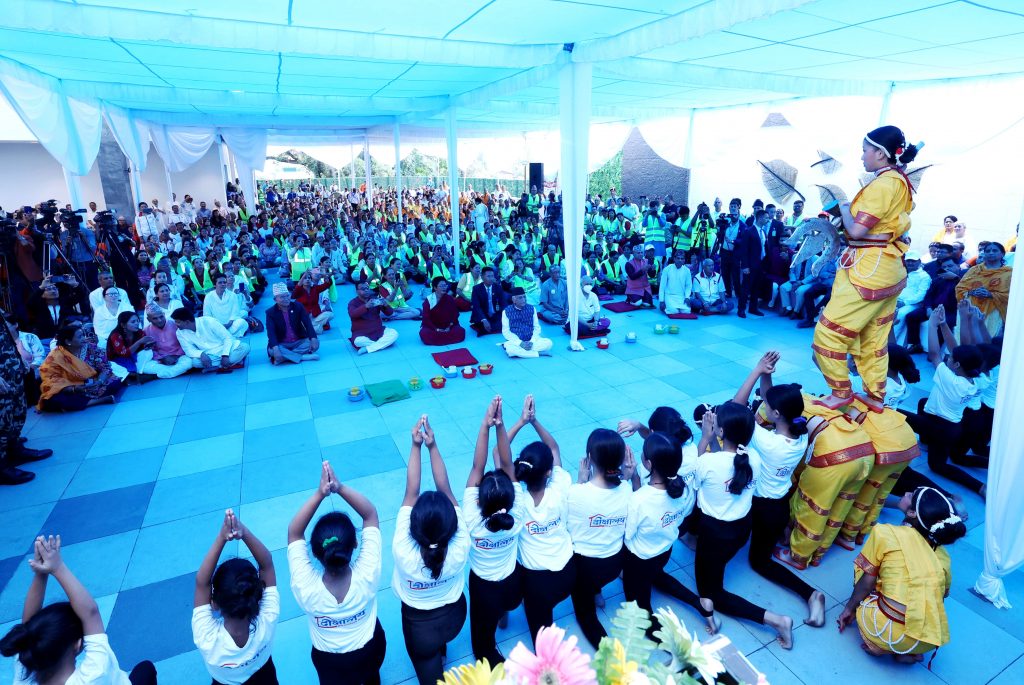
On the 11th International Day of Yoga in June 2025, KP Sharma Oli urged citizens to make yoga part of their daily life, aligning it with the 'Nirogi Nepal Abhiyan' (Healthy Nepal Campaign) (Rising Nepal). He described yoga as a “bridge connecting humanity,” with benefits extending beyond physical health to global peace and societal wellbeing (Khoj Samachar, Radio Nepal).
Amid Unrest: Yoga Meets Turmoil
In September 2025, Nepal was rocked by violent, youth-led Gen Z protests against corruption and a controversial social media ban. Kathmandu witnessed arson attacks on government and political buildings, including the parliament and the PM’s residence—leading to 19 fatalities and mass unrest (Reuters, Washington Post, Al Jazeera). The army enforced curfews and Oli ultimately resigned (Reuters, FT, Reuters).
Following public outcry, the social media ban was lifted. Acknowledging the loss of lives, the government announced compensation, free healthcare for the injured, and an investigation panel (Reuters).
The Controversy of Yoga’s Origins Recall Amid Chaos
Earlier in his tenure, at Yoga Day celebrations, KP Oli had controversially claimed that "Yoga originated in Nepal, not in India," citing historical context predating modern borders (NDTV archives, Indian Express). The unrest in 2025 pressured Nepal into reflecting more deeply on such claims amid rising political and cultural introspection.
Quick Facts
| Occasion | Event |
|---|---|
| International Yoga Day 2025 | Promoted yoga as daily wellness & peace |
| Social media ban protest | Sparked Gen Z unrest in September |
| PM Oli resignation | Resigned amid violent protests and public backlash |
Yoga, Cultural Identity, and Nepal’s Future
While the protests reshaped Nepal’s political landscape, they also catalyzed a reassessment of cultural pride and yoga’s place within it. Yoga remains a unifying heritage with the potential to heal—not just bodies, but societies.
Conclusion
KP Sharma Oli’s vision of daily yoga for health and peace was eclipsed by national upheaval—but the discourse that followed offers a new path forward. In Nepal’s transformation, yoga stands as a quiet reminder of shared heritage that outlasts political storms.
Read more: Reuters on Nepal protests and Oli’s resignationYoga originated in Nepal, not in India. At the time when Yoga came into existence, India did not yet exist.
Tags